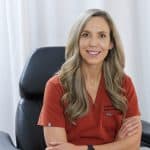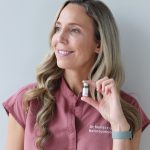
Dr. Marissa Gaucher, ND, provides virtual naturopathic care across BC for endometriosis-related fertility challenges, with a focus on reducing inflammation, balancing hormones, and supporting egg quality.
As a Naturopathic Doctor with a focus on fertility, I work with women across Kelowna, Kamloops, and British Columbia navigating endometriosis and its impact on hormone balance, inflammation, and the ability to conceive.
Many of my patients have been told everything looks “normal,” yet their bodies are telling a different story. They’re often dealing with painful or heavy periods, irregular cycles, or negative pregnancy tests that don’t quite make sense.
For some, endometriosis is the missing piece—a condition affecting roughly one in ten women that can take years to properly recognize. For others, it shows up as secondary infertility, all while balancing work, relationships, and often caring for a child already.
My approach as a Naturopathic Doctor is rooted in compassion and science, with a deep understanding of how the body works as a whole. Together, we take the time to look beyond surface-level answers, exploring hormone balance, inflammation, nutrition, stress, and lifestyle patterns to better understand what’s happening beneath the surface.
View this post on Instagram
What is endometriosis?
Endometriosis is a condition where tissue similar to the endometrium (the lining of the uterus) is found outside of the uterine cavity, most commonly affecting the ovaries, fallopian tubes, and pelvic peritoneum. This tissue remains hormonally responsive, meaning it continues to proliferate and shed in response to cyclical estrogen and progesterone signals.
Unlike the uterine lining, however, this displaced tissue has no pathway for clearance. The result is a persistent inflammatory response, leading to irritation of surrounding structures, the formation of adhesions, and, over time, changes in pelvic anatomy and function.
Clinically, this can present as:
- pelvic pain
- heavy or painful menstrual cycles
- digestive symptoms such as bloating or altered bowel patterns
- difficulty conceiving
Importantly, endometriosis is no longer viewed as a purely structural or localized condition. It is now understood as a systemic process involving chronic inflammation, altered immune function, and hormonal dysregulation, all of which can influence reproductive health.
From a fertility perspective, these changes affect more than just anatomy. Inflammatory cytokines, oxidative stress, and immune signalling can impact ovulation, egg quality, tubal function, and endometrial receptivity. As a result, the probability of conception per cycle is often reduced, typically ranging from 2 to 10 percent, compared to approximately 15 to 20 percent in individuals without endometriosis.
This difference reflects the broader internal environment. Fertility is not only about structure, but about how well the hormonal, inflammatory, and immune systems are functioning together.
How does endometriosis impact fertility?
Endometriosis doesn’t just affect one area. It can influence the overall environment your body relies on for conception. When inflammation is ongoing, it may affect ovarian function, egg quality, and the way the reproductive system communicates. Endometriosis is also associated with estrogen-driven inflammation and progesterone resistance, which can influence hormone signalling and cycle regulation. Over time, scar tissue and adhesions can also affect how the ovaries, fallopian tubes, and surrounding pelvic structures work together. There’s also an immune component. In some cases, altered immune function and changes in the uterine environment may make implantation more challenging. This is often the part that feels the most frustrating. You might be tracking your cycle, timing ovulation, and making supportive changes, and still feel like you’re not getting clear answers. In endometriosis, changes in inflammation, immune signalling, and hormone balance can interfere with multiple stages of conception, even when ovulation appears normal.
Related Reading: 12 Common Factors That Affect Fertility
Can a fertility Naturopathic Doctor help with endometriosis?
Yes. While Naturopathic care does not remove endometrial lesions, it can play a meaningful role in supporting the underlying factors that influence both symptoms and fertility outcomes.
Endometriosis is driven by a combination of chronic inflammation, hormonal imbalance, and altered immune function. A Naturopathic Doctor can help address these processes by supporting inflammatory pathways, optimizing hormone metabolism, and improving the overall internal environment required for conception.
When we work together, the first step is understanding your full health picture. We look closely at your menstrual cycle, symptom patterns, stress levels, digestion, and nutritional status to understand how these systems are interacting. From there, we build a personalized plan based on your goals, whether that is trying to conceive naturally, preparing for pregnancy, or supporting you alongside fertility treatments.
Your plan may include hormone and thyroid testing, nutrient assessment, targeted supplementation, herbal medicine, and, when appropriate, acupuncture or mind-body strategies. For many patients, this care works alongside their family doctor or fertility clinic, with the goal of supporting your body in a way that complements any medical treatments you are receiving.
View this post on Instagram
How can I increase my fertility with endometriosis?
There isn’t a single intervention that addresses endometriosis-related fertility challenges. Endometriosis is a multifactorial condition involving chronic inflammation, altered immune signalling, hormone dysregulation, and, in some cases, changes to pelvic anatomy. Each of these can influence ovulation, egg quality, fertilization, and implantation.
Rather than focusing on one pathway, the goal is to support the systems we can influence in a coordinated and individualized way.
Reducing inflammation through nutrition and lifestyle intervention
Endometriosis is associated with elevated inflammatory cytokines and oxidative stress, both of which can impact ovarian function and egg quality. A nutrient-dense, anti-inflammatory dietary pattern, including adequate fibre, omega-3 fatty acids, and antioxidants, can help modulate inflammatory pathways and support estrogen metabolism.
Supporting ovulatory function
Ensure adequate caloric intake, blood sugar balance, stress maintained and sleep to support ovulatory function.
Improving pelvic circulation and tissue environment
Blood flow plays a role in ovarian function and endometrial receptivity. Gentle, regular movement, along with therapies such as acupuncture, can support circulation to the pelvic organs and help regulate the hypothalamic-pituitary-ovarian axis.
Nervous system and stress response
Chronic stress influences cortisol levels, which can disrupt ovulation and hormone signalling. It also affects immune function and inflammatory tone. Supporting the nervous system is not just about feeling better—it has direct downstream effects on reproductive physiology.
Reducing environmental exposures
Exposure to endocrine-disrupting chemicals can interfere with hormone signalling and may contribute to estrogen dominance. Supporting the body’s detoxification systems, alongside practical strategies to reduce exposure, can help optimize the internal hormonal environment.
View this post on Instagram
How do I know if I need fertility support?
There isn’t one “right” time to reach out for support. You might be noticing:
- ongoing pelvic pain or heavy periods
- difficulty conceiving without clear answers
- a sense that something isn’t right, even if tests appear “normal”
- symptoms that are affecting your day-to-day quality of life
Support can look different depending on your goals. For some, that includes fertility. For others, it’s focused on reducing pain, improving cycle regularity, and supporting overall well-being. You don’t need to have everything figured out before seeking support.
What should I ask a potential provider about endometriosis and fertility?
An informed patient is an empowered patient. If you’re seeking support for endometriosis-related fertility challenges, these are important questions to ask:
- How will you assess my endometriosis and fertility?
Ask about how your full picture will be evaluated. This may include a detailed health history, cycle tracking, and lab testing (such as hormones, thyroid, or nutrient levels). Imaging or referral for further evaluation may also be part of the process. - What factors are contributing to my fertility challenges?
Endometriosis affects more than anatomy. Ask how inflammation, immune function, hormone balance, and gut health may be influencing your ability to conceive, and how these will be addressed. - Which changes will have the most impact for me?
Rather than general advice, your plan should be tailored. This may include anti-inflammatory nutrition, movement, stress support, and sleep, adapted to your current life stage. - What supplements or treatments are appropriate in my case?
Evidence-informed options can be recommended specific to your needs.. Ask about the rationale, dosing, and how they fit into your overall plan. - How do you collaborate with other providers?
Endometriosis care is often multidisciplinary. Your Naturopathic Doctor should be able to work alongside your family doctor, gynecologist, or fertility clinic, and set realistic expectations for timelines and progress.
View this post on Instagram
Dr. Marissa Guacher | Endometriosis and Fertility Naturopathic Doctor in BC
Navigating endometriosis and its impact on your hormones, cycles, and fertility can feel like a lot to carry on your own. You don’t need to have all the answers before reaching out.
As a Naturopathic Doctor, my role is to step back and look at the full picture with you. That means understanding your symptoms, your cycle, and your goals, and creating a plan that is both clinically informed and realistic for your day-to-day life. For some, that includes improving fertility. For others, it’s about reducing pain, regulating cycles, and feeling more like themselves again.
My approach is grounded in both compassion and clinical insight. Whether you are trying to conceive, preparing your body for the future, or looking for more clarity around your symptoms, we can build a plan that supports your next step.
I am currently accepting patients virtually across British Columbia. If you are ready for more personalized support, you can book an initial consultation to get started.