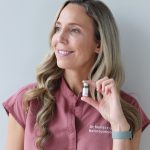

Naturopathic PCOS/PMOS treatment in Kamloops, Kelowna and BC to support ovulation, fertility, hormones and metabolic health with Dr. Marissa Gaucher, ND.
Note on terminology: Polycystic Ovary Syndrome (PCOS) has recently been renamed Polyendocrine Metabolic Ovarian Syndrome (PMOS). This updated term underscores that the condition affects multiple endocrine and metabolic systems—not just the ovaries—and better reflects the complex interplay of hormones, insulin resistance and inflammation involved in this disorder.
Polycystic Ovary Syndrome (PCOS) is a hormonal imbalance that affects ovaries, periods and fertility in about 1 in 8 women of reproductive age. An estimated 50 to 70 percent of people remain undiagnosed.
My mission as a Naturopathic Physician in Kamloops, Kelowna, and virtually across BC is to help women and couples find hope during their fertility journey. And that hope comes from education and empathy. Yes, I’ll help you demystify the science of your fertility struggles, but as someone who had fertility struggles herself for years, I also bring understanding that I hope helps you feel seen throughout the process.
Book My Fertility Consultation
View this post on Instagram
Why is PCOS now PMOS?
Polyendocrine Metabolic Ovarian Syndrome (PMOS) – previously called Polycystic Ovary Syndrome (PCOS) – is a common endocrine disorder and a leading cause of fertility issues. The name changed because this condition has never been just about ovarian cysts. PMOS better reflects the hormonal, metabolic, ovarian, and whole-body effects many patients experience.
It disrupts reproductive function and increases the risk of metabolic syndrome and type 2 diabetes. Many people live with symptoms for years before receiving a diagnosis; PMOS arises from a complex interplay of genetics, hormones and lifestyle factors.
Could I have PMOS? What are the symptoms of PMOS?
You may want to be assessed for PMOS if you experience:
- Irregular, unpredictable, or absent menstrual cycles
- Difficulty ovulating or getting pregnant
- Acne, especially along the jawline or lower face
- Unwanted facial or body hair growth
- Hair thinning or hair loss
- Weight gain or difficulty losing weight
- Strong cravings or blood sugar crashes
- Signs of insulin resistance
- Mood changes, anxiety, or depression
PMOS can look different for everyone. Some people experience weight gain, cravings, and metabolic symptoms, while others are lean but struggle with irregular cycles, acne, hair thinning, or fertility challenges.
Insulin resistance often plays a central role in PMOS. When the body becomes less responsive to insulin, the pancreas may produce more of it. Higher insulin levels can stimulate the ovaries to produce more testosterone and may lower sex hormone-binding globulin, contributing to acne, unwanted hair growth, hair thinning, and absent or unpredictable ovulation.
Genetics, family history, and chronic inflammation may also contribute, and symptoms can be more pronounced when insulin resistance or obesity are present.
PMOS is not just a cycle or fertility concern. Irregular ovulation can make conception more difficult and may be linked to pregnancy complications, including gestational diabetes, hypertensive disorders, and miscarriage. Over time, PMOS may also increase the risk of type 2 diabetes, fatty liver disease, cardiovascular concerns, and endometrial cancer.
Not everyone with PMOS has ovarian “cysts,” and not everyone will have abnormal hormone tests. This is why a proper assessment matters.
How do you confirm if you have PMOS (PCOS)?
A diagnosis is usually considered when at least two of the following are present:
- Irregular or absent menstrual cycles
- Clinical or laboratory signs of higher androgens, such as acne, unwanted hair growth, hair thinning, or elevated testosterone
- Multiple ovarian follicles seen on ultrasound
Testing may include:
- A detailed review of your menstrual cycle history
- A review of symptoms such as acne, hair growth, hair thinning, weight changes, and fertility concerns
- Bloodwork to assess hormones and androgen levels
- Metabolic markers, including blood sugar, insulin, cholesterol, and other cardiovascular risk factors
- An ultrasound, when needed, to assess ovarian follicle patterns
If you suspect PMOS, the goal is not just to label the condition, but to understand what is driving your symptoms and how to support your hormones, metabolism, ovulation, fertility, and long-term health.
What is Naturopathic Treatment for PMOS (PCOS) in BC?
Naturopathic treatment for PMOS, formerly known as PCOS, focuses on understanding what is driving your symptoms and creating a plan that supports your hormones, metabolism, ovulation, fertility, and long-term health.
In BC, this may include a thorough assessment of your menstrual history, symptoms, bloodwork, glucose and insulin markers, and, when needed, ultrasound findings. While conventional treatment often focuses on symptom management, naturopathic care looks at the bigger picture, including insulin resistance, inflammation, stress, nutrition, sleep, movement, and metabolic health.
Treatment may include:
- Nutrition and blood sugar support: Building meals around protein, fibre-rich carbohydrates, healthy fats, and low-glycemic foods to help reduce insulin spikes and support more regular ovulation.
- Metabolic support: Assessing blood sugar, insulin resistance, cholesterol, inflammation, and other markers that may be contributing to hormone imbalance.
- Targeted supplements: Using evidence-informed options such as myo-inositol, D-chiro-inositol, alpha-lipoic acid, vitamin D, chromium, cinnamon, or other nutrients when appropriate. Supplements should always be individualized, especially if you are taking medications or trying to conceive.
- Movement planning: Supporting insulin sensitivity, cardiovascular health, and mood through consistent movement, including walking, cycling, swimming, strength training, yoga, Pilates, or other sustainable forms of exercise.
- Stress and nervous system support: Addressing chronic stress, sleep, cortisol, anxiety, mood changes, and the emotional impact of fertility challenges.
- Botanical medicine: Using herbs, when appropriate, to support stress response, androgen balance, blood sugar regulation, and hormone metabolism. This should be guided by a qualified practitioner, especially during fertility treatment, pregnancy planning, or medication use.
- Fertility support: Helping identify whether ovulation is occurring, supporting cycle regularity, improving metabolic health, and coordinating care when medications such as letrozole, metformin, or other conventional treatments may be appropriate.
- Long-term prevention: PMOS is not only a period or fertility concern. Treatment should also consider the long-term risks associated with insulin resistance, including type 2 diabetes, fatty liver disease, cardiovascular concerns, and endometrial health.
The goal of naturopathic treatment is not to replace conventional care. It is to create a more complete plan that addresses the underlying drivers of PMOS while supporting your immediate symptoms, fertility goals, and long-term health.
How does PCOS affect fertility?
For pregnancy to occur, the ovaries need to regularly release an egg. With PMOS, hormonal and metabolic changes can interfere with this process, leading to irregular ovulation or cycles where ovulation does not happen at all. This can make it harder to predict your fertile window and may make conception take longer. Miscarriage rates are 20–40 % higher in women with untreated PMOS.
PMOS can also affect fertility through:
- Irregular, unpredictable, or absent menstrual cycles
- Higher androgen levels, which may interfere with normal ovarian function
- Insulin resistance, which can contribute to hormone imbalance and irregular ovulation
- Inflammation and metabolic changes that may affect reproductive health
- Difficulty identifying when or if ovulation is happening
- A higher risk of miscarriage and pregnancy complications in some patients
PMOS does not mean you cannot get pregnant. Many women with PMOS conceive naturally or with support. The key is understanding whether you are ovulating, what may be interfering with ovulation, and how your hormones, blood sugar, inflammation, stress, and overall metabolic health are affecting your fertility.
Related Reading: 12 Common Factors That Affect Fertility
Fertility Support | BC Naturopathic Doctor | PMOS (PCOS)
Whether you are in the “soon,” “now,” or “someday” phase of your fertility journey, it can feel overwhelming to explain your concerns over and over again to different providers. My role is to help you make sense of the data, understand what your body may be trying to communicate, and support the lifestyle, metabolic, and hormonal changes that may improve ovulation and long-term health.
Early diagnosis and proactive management can also help reduce long-term health risks associated with PMOS, including type 2 diabetes, fatty liver disease, cardiovascular concerns, and endometrial cancer. Conventional medications can play an important role, especially when ovulation support is needed, but they are often most effective when combined with personalized nutrition, targeted supplementation, regular movement, stress management, and comprehensive metabolic support.
As a mom myself, I want you to know there is never TMI, there is never a stupid question, and you never have to justify why you want answers. My goal is to give you a safe, professional place to land while we work together to support your fertility journey. Please do not hesitate to connect.
Book My Fertility Consultation